Science
From the first moments of explorative play in EYFS to the complex investigations of Upper Key Stage 2, our curriculum encourages children to ask "why?" and "how?". We aim to build a "spiral" of knowledge where core themes—such as Living Things, Materials, and Physical Processes—are revisited and expanded upon each year.
Building Scientific Foundations
Our students progress through a rich variety of scientific disciplines, including:
Biological Sciences
Children begin by identifying basic body parts and senses in Year 1, progressing to the study of plant life cycles in Year 3, and eventually exploring the complexities of the human circulatory system and evolution in Year 6.
Physical Sciences
The journey starts with forces and magnets in Year 3, moving through the properties of light and sound in Year 4, to understanding Earth, space, and gravity in Year 5.
Materials and Matter
Students move from distinguishing everyday materials in Key Stage 1 to investigating reversible and irreversible changes and the water cycle in Key Stage 2.
Foundation Stage
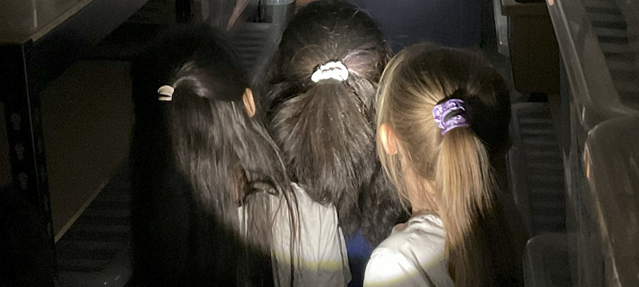
In Nursery and Reception, Science is woven into "Understanding the World". We utilise our environment through:
-
Forest Schools and nature walks to explore the environmental area.
- Hands-on exploration using magnifying glasses, mirrors, and magnets.
-
Observing seasonal changes and the magic of life cycles, such as butterflies and birds.
Working Scientifically
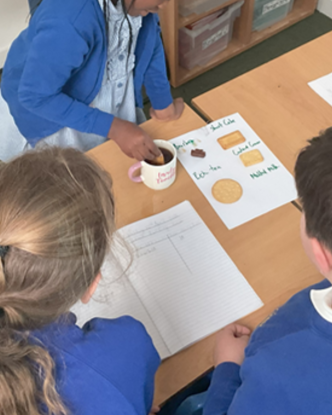
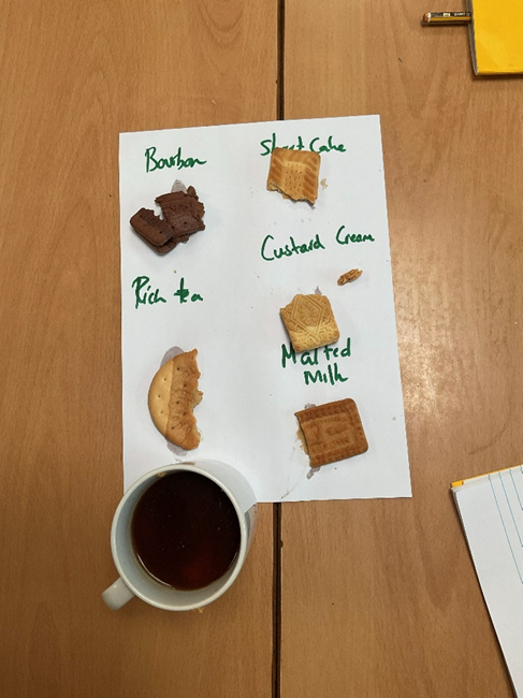
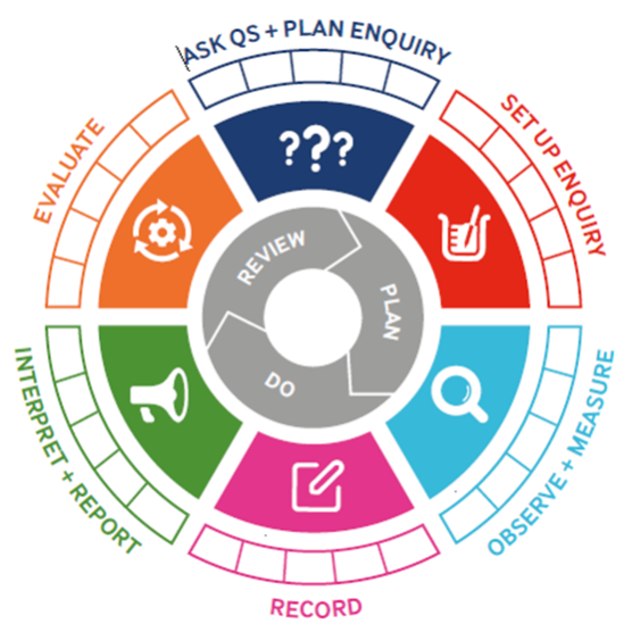
Beyond theory, we prioritise practical skills. Whether it is Year 4 students building electrical circuits , Year 3 pupils examining soil and fossils , or Year 6 investigating how light travels, our pupils are constantly testing hypotheses and analysing data. We empower our students to see themselves as the scientists of the future, equipped with the critical thinking skills necessary for an ever-changing world.
Please find our curriculum overview at the bottom of this page.
Recommended Online Resources
- BBC Bitesize Primary Science: Excellent for all year groups, covering everything from "Animals including Humans" to "Evolution and Inheritance".
- Explorify: Great for "odd one out" activities that build critical thinking.
- NASA Kids' Club: The ultimate resource for Year 5’s Earth and Space units.
- The Science Museum – Objects and Stories: Perfect for Year 3’s rock and fossil studies.
- Science Sparks: A fantastic blog full of "wow-factor" experiments. It’s particularly good for the EYFS and Key Stage 1 curriculum, with creative ideas like building "Fairy Tale Houses" to test material strength.
- Royal Institution – ExpeRimental: A series of short films that guide you through fun physics experiments. It’s excellent for Year 5 and 6 students looking to explore "Forces" and "Gravity" in a more visual way.
- STEM Learning – Primary Resources: The UK’s largest bank of science resources. You can browse by year group or topic (e.g., "Electricity" or "Plants") to find quality-assured activities and videos.
- The Big Jurassic Classroom: A brilliant specialist site for Year 3. It brings the history of rocks and fossils to life with virtual tours and "fossil-making" guides.